For decades, the former Igarapé das Almas remained confined to a channel on Avenida Visconde de Souza Franco in Belém. In October 2025, the city inaugurated a 1.2-kilometer park along this route. Just over a year later, the project received the Landscape of the Year award from the World Architecture Festival (WAF), announced on November 20, 2026.
The Doca Linear Park, developed by the Brazilian firm Natureza Urbana, brings together two important themes for the capital of Pará: the preservation of the memory of its waterways and the creation of spaces for social interaction in an intensely urbanized area. The intervention was part of the infrastructure works related to COP30, held in Belém in November 2025.
The Igarapé das Almas and the transformation of the Dock
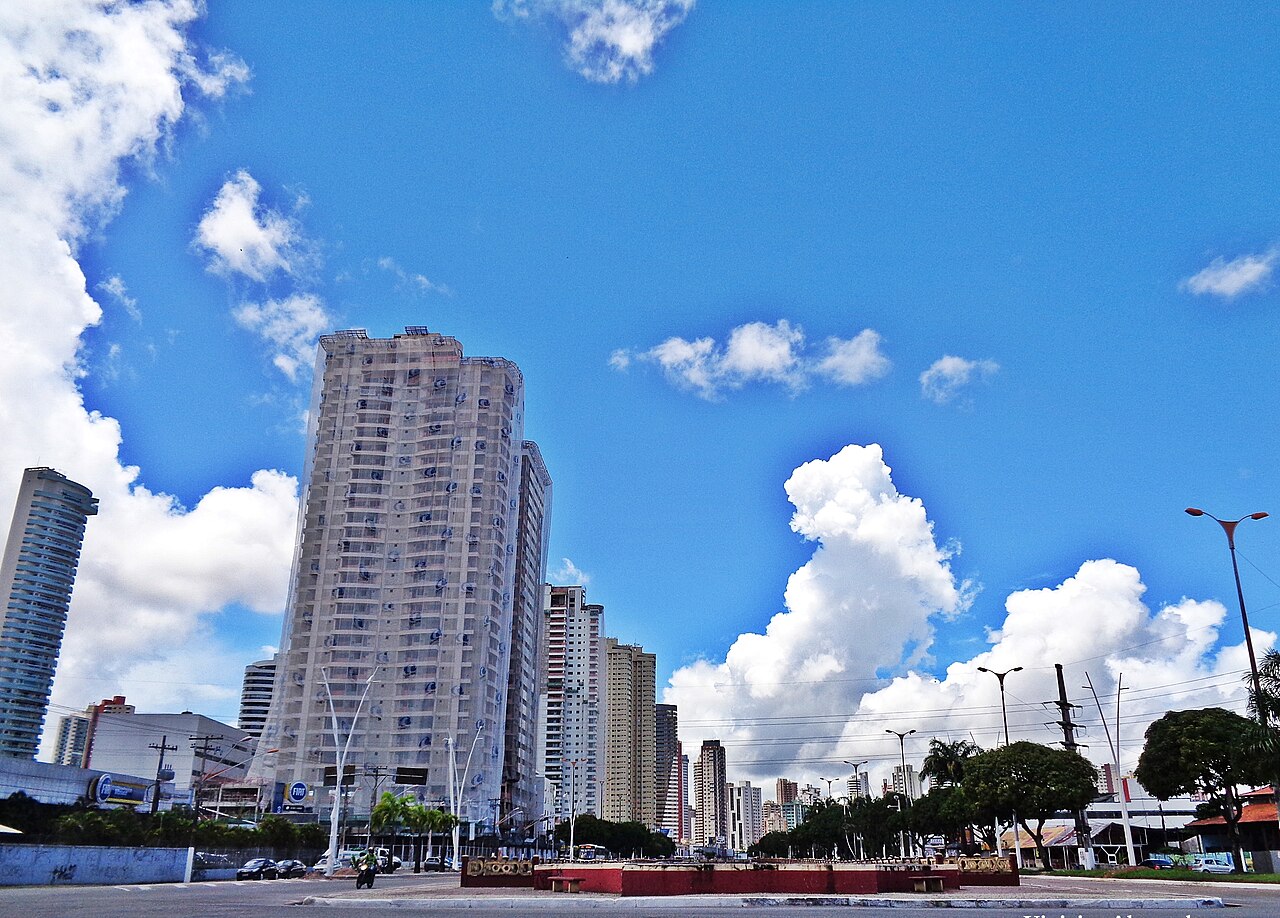
The avenue crosses a low-lying area between the Reduto and Umarizal neighborhoods. Originally, the local landscape was a waterway belonging to the Reduto basin. As the city developed, the stream was channeled and came to occupy the central lane of the road.
According to the Urban Nature Memorial, the previous organization of the axis prioritized vehicular traffic. The surrounding area includes residences, businesses, and institutions, but the continuity of spaces intended for pedestrians was limited. The park proposed establishing connections between these activities through pathways, shaded areas, and recreational spaces.
The transformation of this area needs to be understood in light of the avenue's previous configuration. Before the new park, the traffic lanes and urban development limited the continuity of spaces intended for pedestrian use. It is this scenario that the 2025 intervention sought to modify, according to the Urban Nature report.
A two-tiered intervention
The firm's technical specifications record 40.080,24 square meters in the area of the master plan and basic project. However, the Pará State Government's report, published in October 2026, indicates more than 23 square meters of redeveloped area and an extension of 1,2 kilometers. The figures describe distinct areas: respectively, the project scope reported by the architects and the redeveloped area disclosed by the government.
The longitudinal route includes areas for physical activities, bicycle circulation, and rest. Walkways, viewpoints, and rest areas establish different height relationships with the canal. In a traditionally organized urban park centered around a large central area, activities may be concentrated in a few points. At Doca, their distribution along the corridor allows different sections of the avenue to have access to public spaces.
Landscape design as part of water infrastructure
The firm incorporated strategies into the design to increase the permeability of the land, restore vegetation, and bring visitors closer to the water. Filtering gardens are integrated into the planned solutions to reduce diffuse pollution and improve water conditions. The Pará Agency's report from October 21, 2026, records the planting of approximately 180 trees and the implementation of vegetated water treatment areas, known as wetlands.
The project includes hydraulic improvements and raising some support structures in relation to the terrain, considering the flood-prone conditions of the region. Flood control also depends on the functioning of drainage networks, sanitation, and maintenance. These infrastructures go beyond isolated landscaping interventions and are integrated into the urban management of the territory.
The Government of Pará informs that the project includes LED lighting, accessible playgrounds, a bike path, basketball courts, an outdoor gym, a hammock area, and a space for animals. On block 8, a metal structure in the shape of petals houses photovoltaic panels; the energy stored in batteries can power charging points for electronic devices.
The park in the daily life of Belém
The Doca Linear Park was inaugurated on October 2, 2025. The installation of kiosks also benefited the local economy: Sebrae in Pará registered the selection of five small businesses to occupy the commercial spaces.
The State Secretariat of Public Works (Seop) carried out the project in partnership with the Federal Government, through Itaipu Binacional. A year after the inauguration, the Government of Pará published a report on the use of the park for walking, running, and family leisure. The transformation of a central strip previously dedicated mainly to infrastructure into a place for people to linger expands the possibilities for using the avenue without eliminating its function as a thoroughfare.
The recognition of Brazilian landscape architecture
The coordination of the Urban Nature project is attributed to Manoela Machado and Pedro Lira, with leadership from Giulia Corsi. The 2026 international award recognizes the firm's work in the general landscape architecture category of the World Architecture Festival. This recognition follows the park's inauguration in 2025 and occurs when the intervention is already part of the city's daily life.
The corridor was conceived to connect the design of public spaces to the water history of Belém, a city where rivers, canals, and flood conditions are directly linked to land use. The continuity of this transformation will depend on the conservation of the landscaping and water infrastructure that supports the park.